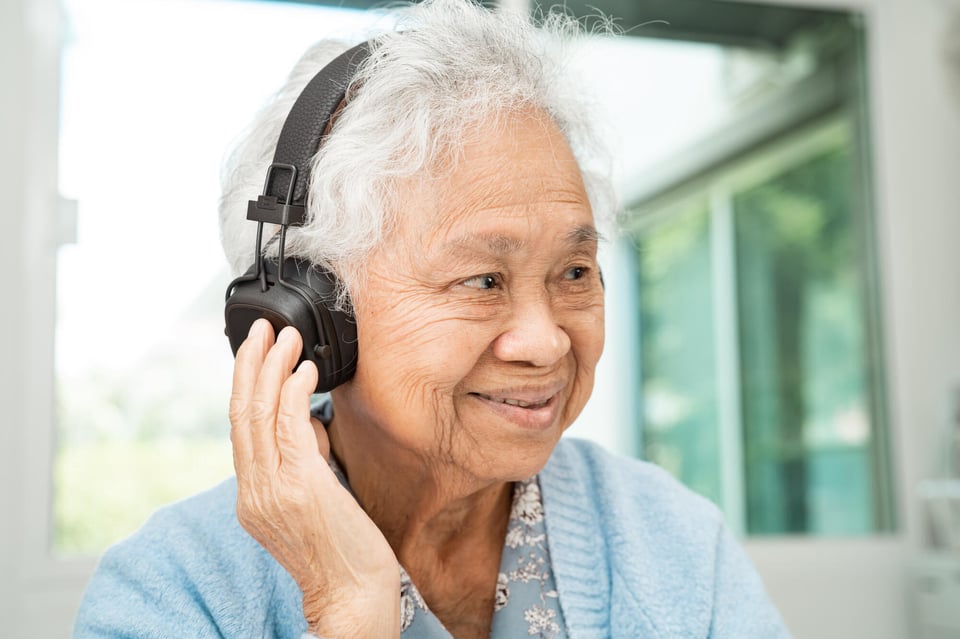
Music can sharpen focus, lift mood, and help protect thinking skills as people age. Based in La Mirada, California, La Mirada Heights senior living uses music as a daily tool to support clarity and connection. Sound patterns activate memory paths, steady emotions, and give the brain a healthy workout through rhythm and recall.
Research shows that older adults who listen to music most days have up to a 39 percent lower risk of developing dementia compared with those who rarely listen to tunes, according to the International Journal of Geriatric Psychiatry.
Sound can reach deep areas inside your mind and heart; that engagement makes the brain work in helpful ways. At La Mirada Heights senior living, music sparks moments of joy and mental clarity in daily life. You'll notice how melodies stir memory and mood at the same time; gentle rhythms invite smiles and focus.
How Does Music Support Cognitive Health in Aging?
Music activates multiple brain regions at the same time; rhythm, melody, and recall work together during listening. That combined activity supports attention span and thinking speed during everyday moments.
Consistent musical exposure encourages mental steadiness; familiar songs invite recognition and recall. Seniors often show smoother focus and clearer thinking when music becomes part of daily life.
Why Does Music Strengthen Emotional Stability in Older Adults?
Music connects closely with emotional centers in the brain; familiar sounds can create calm and comfort. Emotional balance helps support clearer thought patterns throughout the day.
Positive emotional responses reduce mental strain; relaxed minds process information more easily. Seniors who enjoy independent living but in a senior living community often feel more socially open and mentally settled through regular musical experiences.
Music as Daily Brain Exercise
Music gives the brain steady activity through rhythm, tone, and repetition; that action supports brain stimulation during everyday moments. Listening or participating encourages focus without mental strain, which helps maintain steady thinking patterns.
Sound challenges recall and recognition at the same time; songs invite mental movement without pressure. Gentle mental workouts feel enjoyable and keep the mind engaged through familiar structures.
Music supports daily engagement through:
- Rhythm patterns
- Lyric recall
- Timing awareness
- Focused listening
Consistent exposure keeps the brain alert while supporting comfort and enjoyment.
Memory Pathways and Familiar Sound
Songs connect strongly to memory centers; familiar melodies often unlock recall with ease. Music and memory work together as sound cues trigger recognition tied to past experiences.
Repeated listening strengthens mental associations; predictable patterns help the brain stay organized. Memory flows more freely when sound provides structure and emotional safety.
Music supports recall through:
- Song recognition
- Repeated melodies
- Emotional cues
- Rhythm patterns
Those connections help seniors access memories while staying mentally present and engaged.
Emotional Balance Through Musical Moments
Music supports emotional wellness by calming stress responses and supporting a steady mood. Pleasant sounds can ease tension and promote a sense of emotional clarity throughout the day.
Balanced emotions help thinking remain clear; relaxed minds process information more smoothly. Calm feelings support clarity and help reduce mental overload during routine activities.
Music encourages emotional balance through:
- Soothing melodies
- Familiar voices
- Steady rhythm
- Positive association
Those emotional benefits strengthen daily comfort while supporting mental focus. This can be especially true in a reputable senior living community that puts emphasis on such activities.
Creativity, Expression, and Mental Engagement
Participating in music encourages cognitive engagement through choice, timing, and expression. Singing or learning simple patterns challenges attention while remaining enjoyable.
Creative activity supports confidence and curiosity; musical expression invites the brain to stay flexible. Creative moments awaken focus and help maintain mental agility over time.
Music supports engagement through:
- Active listening
- Pattern learning
- Personal expression
- Shared experiences
That involvement keeps thinking active while reinforcing emotional connection.
Arts-Based Stimulation for Aging Minds
Aging and the arts support thinking through creativity rather than pressure. Music offers structured stimulation that keeps the brain alert while honoring comfort and familiarity.
Art-based activities strengthen mental pathways; sound patterns encourage learning without strain. Art keeps the mind awake and supports long-term cognitive involvement.
Music-based engagement supports:
- Structured learning
- Sensory input
- Emotional connection
- Social interaction
That balance makes music a powerful tool for mental vitality across daily life.
Frequently Asked Questions
How Does Music Support Cognitive Health in Senior Living?
Music activates multiple areas of the brain at once; rhythm, sound, and recall work together during listening. That combined activity supports focus and mental clarity during daily routines.
Regular music exposure encourages steady thinking patterns. Seniors often experience smoother recall and improved attention when music becomes part of everyday life.
Can Music Help With Memory Changes Over Time?
Music and memory share strong connections; familiar songs often unlock recall more easily than spoken prompts. Sound patterns provide cues that help the brain access stored information.
Repeated listening reinforces recognition pathways. Seniors may respond faster to familiar melodies than to names or dates during conversations.
Does Music Improve Emotional Wellness for Older Adults?
Music supports emotional wellness by calming stress responses and encouraging positive mood shifts. Pleasant sounds can help reduce agitation and emotional overload.
Balanced emotions support clearer thinking. Seniors often feel more settled and socially open after shared musical experiences.
What Types of Music Activities Support Brain Stimulation?
Both listening and participation offer brain stimulation; singing, rhythm exercises, and simple learning tasks all encourage mental effort. Structured music activities support attention without pressure.
Music-based engagement works best when routines feel familiar and enjoyable. Consistent exposure helps maintain cognitive engagement over time.
La Mirada Heights Senior Living and the Power of Music
Music supports clarity, focus, and emotional balance throughout daily life at La Mirada Heights senior living. Regular musical moments help strengthen thinking patterns while encouraging calm and connection in familiar ways. Residents experience mental engagement that feels natural, supportive, and enriching across each day.
Let the rhythm of daily life feel richer at La Mirada Heights, where live music moments pair naturally with the Elevate Dining experience; chef-prepared meals served restaurant-style turn every gathering into something to savor.
Wellness classes, creative activities, and welcoming social spaces create days filled with purpose, flavor, and connection rather than routine. Schedule your tour today and come see it all for yourself!